

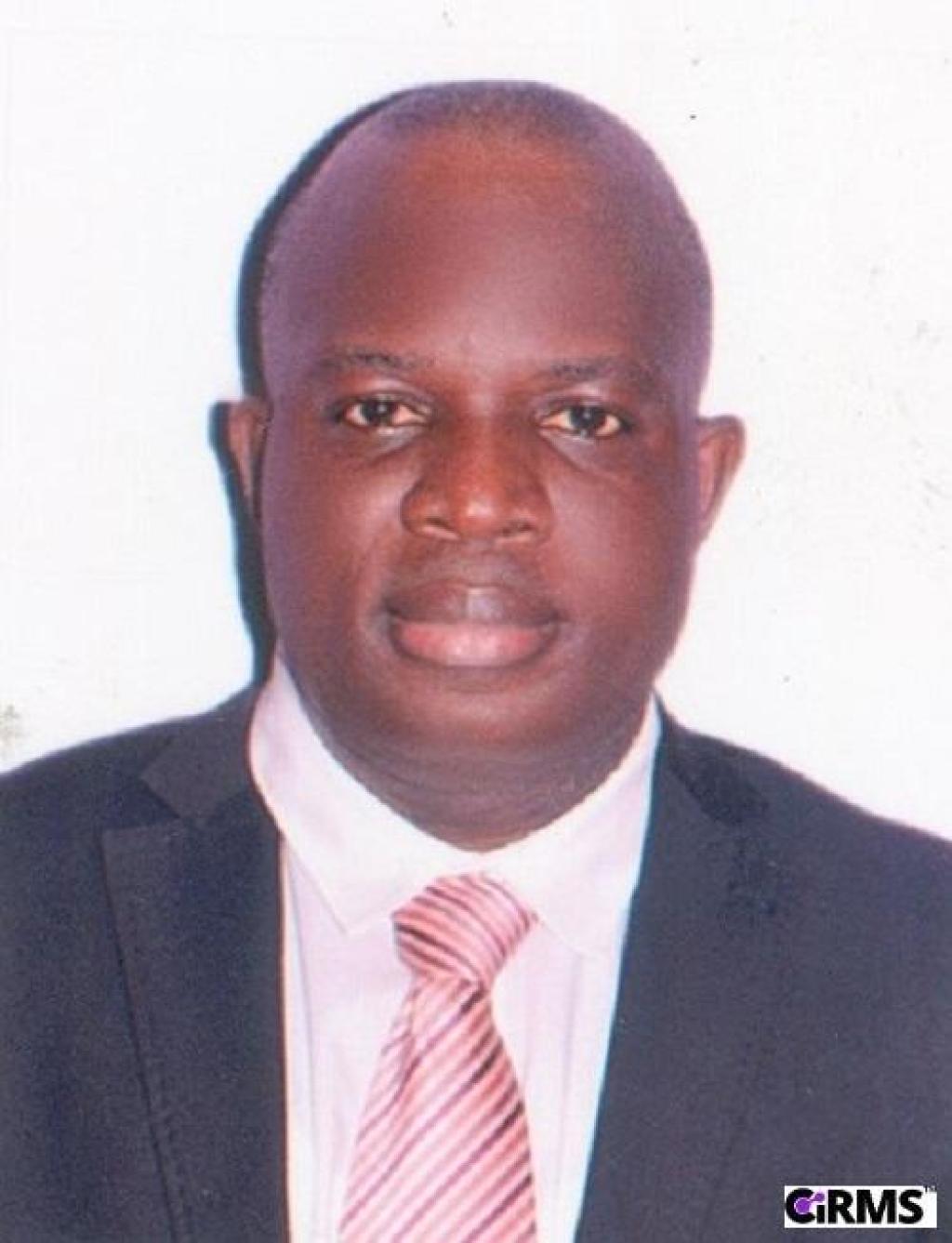
Prof. Chris Kalu, a Lecturer in the Department of Economics, Nnamdi Azikiwe University, Awka, has called on the Federal Government to carry out a massive public enlightenment campaign on the new tax regime.
Kalu, a Financial Economics Expert, who made the call in an interview with newsmen in Awka on Thursday, said this was necessary to forestall adverse economic effects.
He said that the new tax policy, which was largely bank-based, needed to be well explained to payers, especially bank customers, to assure them that their transactions and deposits are safe.
The economist said that, if the uncertainties are not well addressed, it could be subject to abuse by the banks and trigger apathy or bank-run.
A bank run refers to a situation when customers of a bank or other financial institutions withdraw their deposits at the same time over fears about the bank’s solvency.
As more people withdraw their funds, the probability of default increases, which, in turn, can cause more people to withdraw their deposits.
Kalu noted that every policy including tax came with its burdens and blessings but the success or failure of such policies depended on how well the government communicated them to the public.
“The new tax policy took effect on Jan. 1 but up till now, not many people know what is being taxed, how they are taxed and what they are supposed to pay.
“Government has not enlightened Nigerians sufficiently about the new tax regime. Government needs to deploy all its tools including the Ministry of Information and Communication, the National Orientation Agency and the media to do that.
“There are arguments about which tax law is being implemented between the one approved by the National Assembly and the one signed. It is important to know this so that people will know their tax brackets and tax rates.
“The effect of this uncertainty is that people may feel that their money in the bank is not safe, it is also subject to abuse and arbitrary deductions and what this means is that there may be a bank run,” he stressed.
Kalu added that taxes are civic responsibilities which must be matched with quality delivery of social services on the part of the government.
He said fiscal policies are crucial to any economy and had the potential of sending unanticipated shocks, if not well managed.