

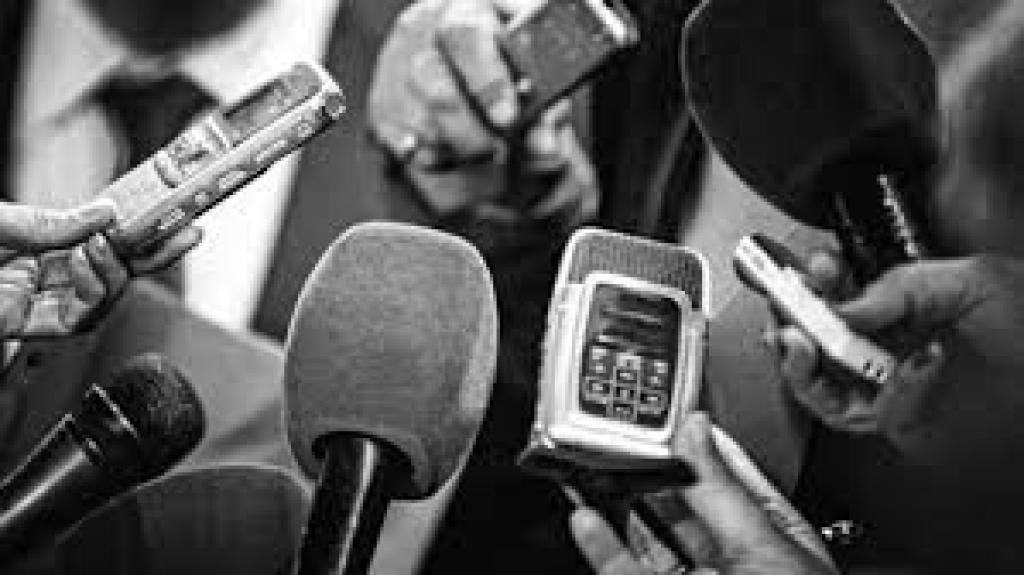
In a world where the loudest voices often seem to carry the most weight, it's easy to forget the profound impact that words can have. The phrase "the pen is mightier than the sword" is a timeless reminder of the transformative power of writing and, by extension, the journalism profession.
This metaphorical expression, coined by Edward Bulwer-Lytton in 1839, highlights the idea that writing and intellectual pursuits can be more powerful and effective than violence and aggression. In the context of Nigerian journalism, this phrase takes on a deeper meaning.
Journalists have the power to shape public perception and opinion, hold those in power accountable, and amplify the voices of marginalized communities. Through their writings, journalists can inspire positive change, spark important conversations, and bring attention to critical issues that might otherwise go unnoticed.
Nigerian journalists have a rich history of using their pens to challenge injustice and promote positive change. From the likes of Dele Giwa, who fearlessly exposed corruption and abuse of power, to modern-day journalists like Premium Times' Musikilu Mojeed, who continues to push the boundaries of investigative journalism, Nigerian journalists have consistently demonstrated the power of the pen.
One notable influence on Nigerian journalism is the satirical and powerful native storytelling style of Dr. Festus Adedayo. His unique approach to storytelling, which combines elements of Yoruba oral tradition with modern journalistic techniques, has inspired a new generation of Nigerian journalists.
Adedayo's writing style, which is characterized by its wit, humor, and biting satire, has shown that journalism can be both entertaining and informative. His ability to use storytelling to convey complex social and political issues has made him a role model for many young Nigerian journalists.
Other notable journalists who have made significant contributions to Nigerian journalism include Sunny Igboanugo, Ment Nome, Igbonekwu Ogazimora, Femi Adeshina, Uche Anichukwu, Odi Chukwube, Lawrence Njoku, Onuoha Ukeh, Kadaria Ahmed and a litany of other Nigerian journalists. Their courage, commitment, and fearless reporting have shed light on critical issues such as corruption and human rights abuses. Their thoughtful and insightful commentaries have provided context and perspective on Nigeria's complex social and political landscape.
Aspiring journalists in Nigeria can learn valuable lessons from Adedayo's approach to storytelling. They can see how he uses satire and irony to critique societal norms and challenge those in power. They can also learn from his commitment to telling the stories that need to be told, even when it's difficult or uncomfortable.
To harness the power of the pen, Nigerian journalists must prioritize ethical reporting, accuracy, balance, and fairness. They must strive to tell the stories that need to be told, even when it's difficult or uncomfortable. By doing so, they can help build a more tolerant, informed, engaged, and just society.
The phrase "the pen is mightier than the sword" is a powerful reminder of the significance of journalism in Nigerian society. By recognizing and embracing the power of the pen, Nigerian journalists and aspiring journalists can play a critical role in shaping the country's future and promoting positive change.
As Nigerian journalists continue to navigate the complexities of their profession, they would do well to remember the words of Edward Bulwer-Lytton. The pen may not be able to wield physical power, but its impact can be felt for generations to come.