

The New-Life Community Care Initiative (NELCCI) has warned that inadequate manpower, empty drug shelves, leaking roofs, and other infrastructural deficiencies are undermining patients’ access to quality HIV, Tuberculosis (TB), and malaria services.
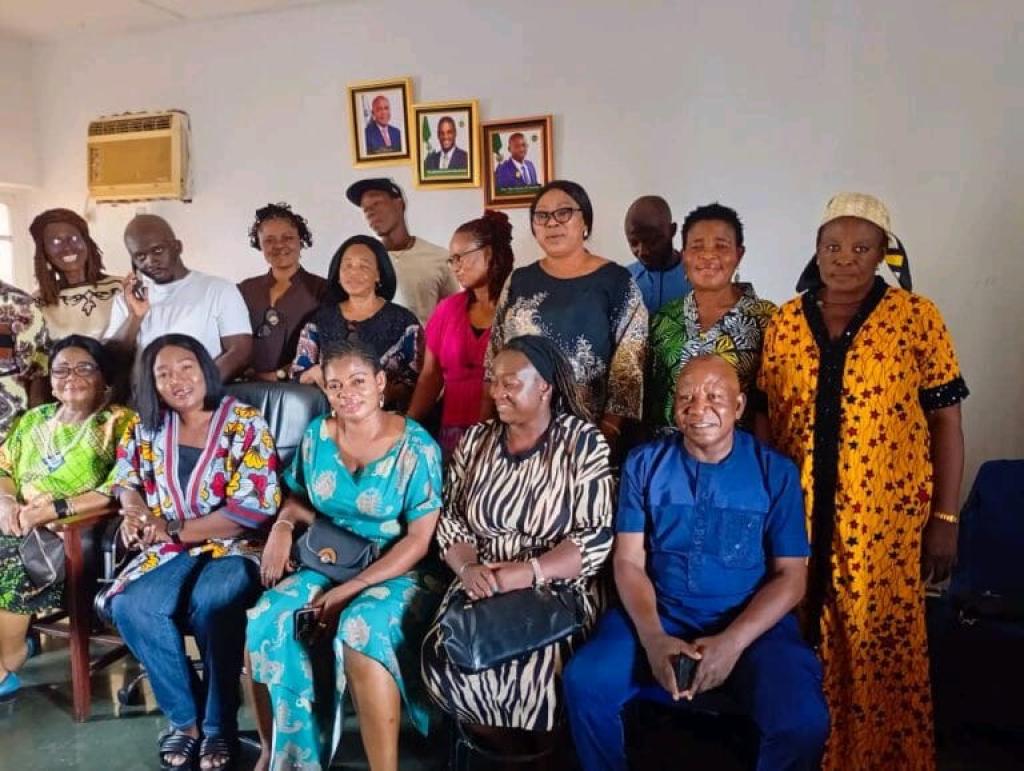
Mrs Florence Ifeanyi-Aneke, Executive Director of NELCCI and State Coordinator of Civil Society in Malaria Control, Immunisation and Nutrition (ACOMIN), made the statement during a stakeholders’ meeting on Wednesday in Enugu.
Ifeanyi-Aneke said a survey conducted by the organisation in Adamawa, Anambra, Delta, Enugu, Niger, Kwara, Kebbi, Ondo, Ogun, and Oyo states identified those challenges.
Speaking on the theme, “From Shortages to Solutions: Addressing Staff Shortage, Commodities Stock-Out and Infrastructure Gaps in Community Health,” she noted that many health facilities in Nigerian communities remained under severe strain.
She explained that the gaps had led to fatigue and burnout among health workers and eroded public confidence in the healthcare system.
“Many primary healthcare centres operate with just one or two staff covering round-the-clock shifts, leading to inconsistent service delivery.
“The absence of security personnel has also exposed some facilities to vandalism and theft.
“Several facilities reported shortages of essential items such as HIV test kits, stock-outs of essential drugs, and rapid diagnostic tools in both current and previous quarters, forcing patients to seek care elsewhere or abandon treatment.
“Infrastructural decay, including cracked walls, leaking roofs, lack of functional toilets, power supply issues, and non-existent drug storage spaces, are common problems affecting safety and service uptake,” she said.
Ifeanyi-Aneke highlighted that the Community Engagement and Strategic Initiative, funded by the Global Fund under GC7, had helped communities identify gaps, advocated for solutions, and held leaders accountable.
She noted notable improvements in two pilot communities, Mkpologwu and Amorji in Enugu State.
“Our focused group discussions in Mkpologwu and follow-up advocacy visits to key stakeholders, including the then Commissioner for Health, led to government action, resulting in a new health facility being built in Mkpologwu.
“Our outreaches and sensitisation efforts have improved community members’ understanding and utilisation of HIV, TB, and malaria services.
“We monitor facilities to ensure patients receive the best possible care, which has helped the government identify areas for improvement,” she said.
Ifeanyi-Aneke called on government agencies at all levels to prioritise investments in staff recruitment, consistent supply of medical commodities, and rehabilitation of dilapidated facilities.
She also urged private organisations, philanthropists, and the media to support health infrastructure upgrades, staff welfare, and essential supplies, while amplifying community voices to hold decision-makers accountable.
“Solving the triple challenge facing Nigeria’s primary healthcare system requires collective responsibility by all stakeholders, including traditional and religious leaders,” she added.
Dr Ifeyinwa Ani-Oshekuo, Executive Secretary of the Enugu State Primary Healthcare Development Agency, said the government would look into the challenges in the two communities mentioned.
Represented by the Assistant State Health Educator, Uche Igbo, she noted that the Gov. Peter Mbah administration was already renovating and establishing new health centres to improve healthcare delivery in Enugu.
Dr Ifeoma Otiji, Programme Manager of the Enugu State Malaria Elimination Programme, represented by Anthonia Onyishi, Logistics Officer, said malaria could be cured permanently, but the only way to prevent it was through Integrated Vector Management (IVM).
“This involves indoor residual spraying and larval source management to eradicate malaria, alongside keeping environments clean.”
She added that the interventions were currently being managed because they were capital-intensive.
Mrs Gloria Okafor from Mkpologwu community hailed the initiative, saying, “We have come to tell the world the good things these people are doing for us.
“They have built a maternity centre for us, almost complete, free of charge. We did not contribute anything.”